From Neighborhood Organizers to Civic Leaders: How Resident-Led Community Development Builds a Pathway to Public Office
Samantha Mogil, Program Officer, Regional Foundation
September 11th, 2026
The grassroots campaigns in this story unfolded in 2025 and were revisited in spring 2026 — just months before the United States heads into a pivotal General Election in November. Read the full case study here.
The Regional Foundation mobilizes resources to advance racial, social, and economic justice through resident-led community development that builds equitable, thriving neighborhoods across our region. Resident leadership is not an optional feature of this work — it is foundational. Community development organizations across our region embody this principle through advisory boards, steering committees, residentled planning processes, board service, and staff roles that place neighborhood residents directly at the seat of power.
To help organizations reflect on their resident leadership practices, we often ask them to identify where they fall along the Spectrum of Community Engagement to Ownership (SCEO)¹ . The SCEO situates community engagement within the broader context of U.S. democracy, reminding us that the nation’s history is shaped by social movements fighting to extend democratic rights to those excluded from political and economic power and underscores the direct connection between economic exclusion (slavery, land theft, exploitation) and political exclusion (denied citizenship, voting rights, and top-down decision-making).
In 2025, four community development practitioners across the Regional Foundation’s grantee partner network identified an opportunity to strengthen democratic governance and launched a campaign for local elected office. Their campaigns generated critical reflections:
- It served as a powerful expression of community ownership and a reminder of who is best positioned to lead. In a political climate defined by threats to democracy, workingclass families, immigrants, and communities of color, their candidacies underscored a simple truth: residents who serve as community development practitioners are well positioned to step into political leadership. They bring relational trust, firsthand knowledge of neighborhood conditions, experience mobilizing residents, and the ability to collaborate across sectors.
- Investing in long-term, placebased work means investing in the people who make that work possible. Philanthropy, nonprofit community development organizations, and local governments all play critical roles in creating and supporting pathways for practitioners to step into public office
The Roots of Civic Leadership Are Already in the Neighborhood
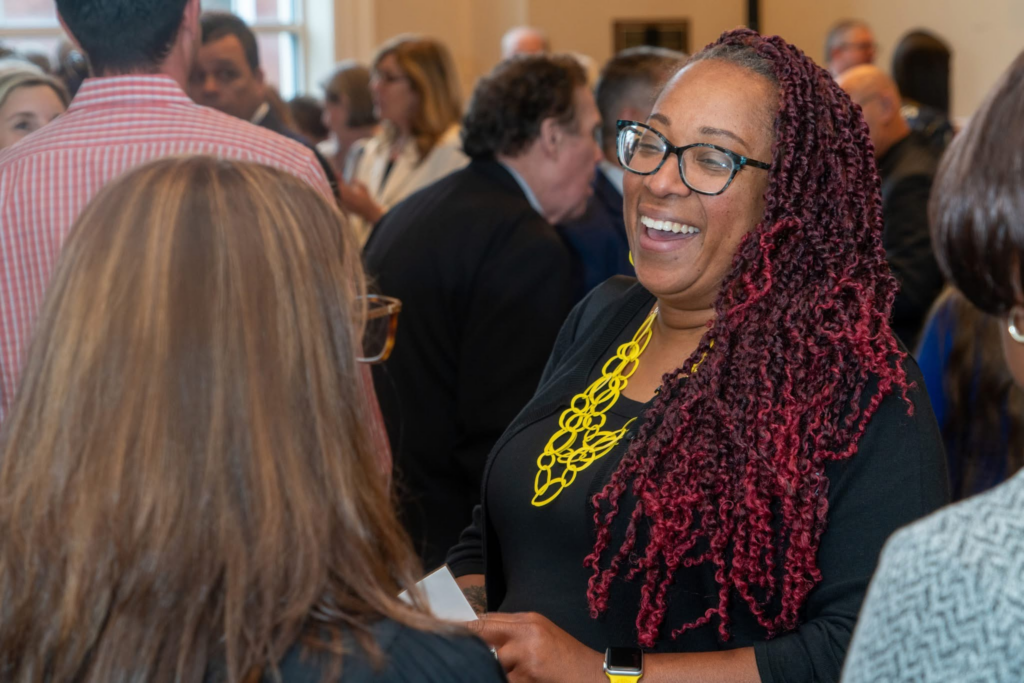
Across interviews conducted in early 2026, each practitioner described a similar turning point: their candidacies grew from years of showing up for their neighbors and coordinating programs, mobilizing residents, and building trust in ways government systems often struggle to deliver at scale. Heather Garrison, a longtime parent leader in Millville, New Jersey, spent nearly a decade building relationships through schools, Parent Teacher Associations, and family advocacy. Her leadership was grounded in care, as she reflected, “people don’t care how much you know until they know how much you care.” Over time, she became a unifying presence, someone who could bring people together and elevate unheard voices.
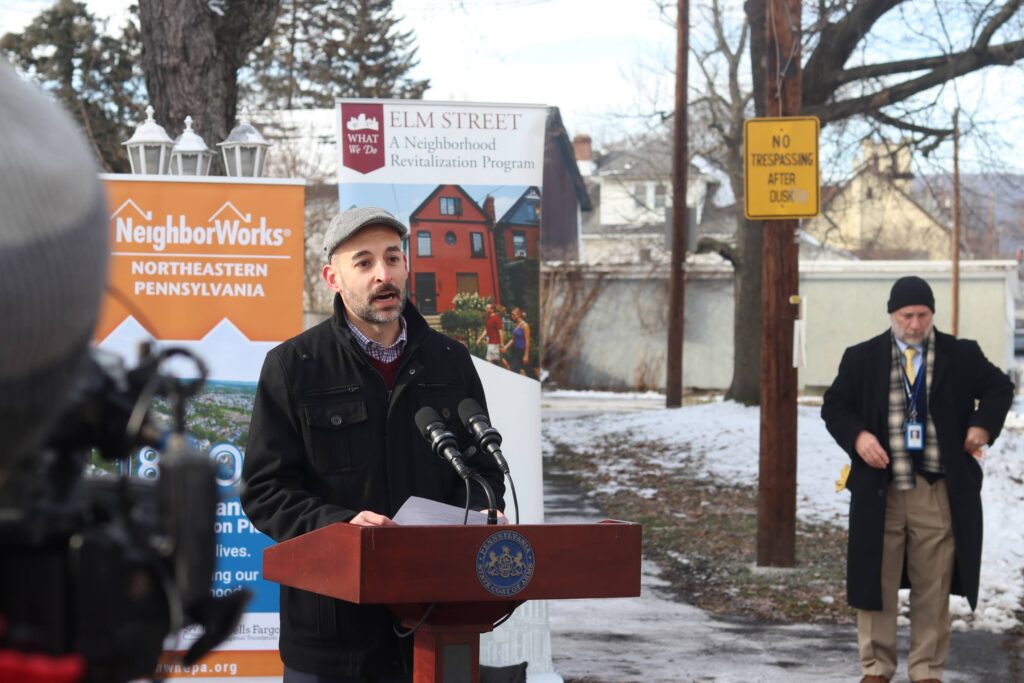
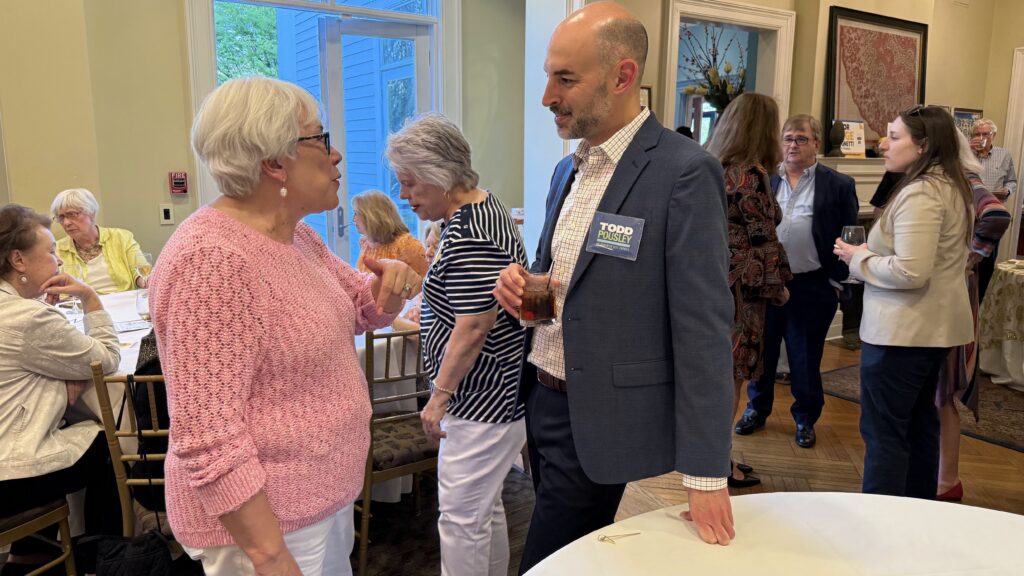
In Scranton, Pennsylvania, Todd Pousley’s path looked similar. Years of resident-driven work revealed the limits of nonprofit impact. His priorities around affordable housing, safe and clean neighborhoods, and belonging came directly from residents. As he explained, “There are certain things that nonprofits can do, but there are also policies and systems that really take local government and local elected leaders to change.”
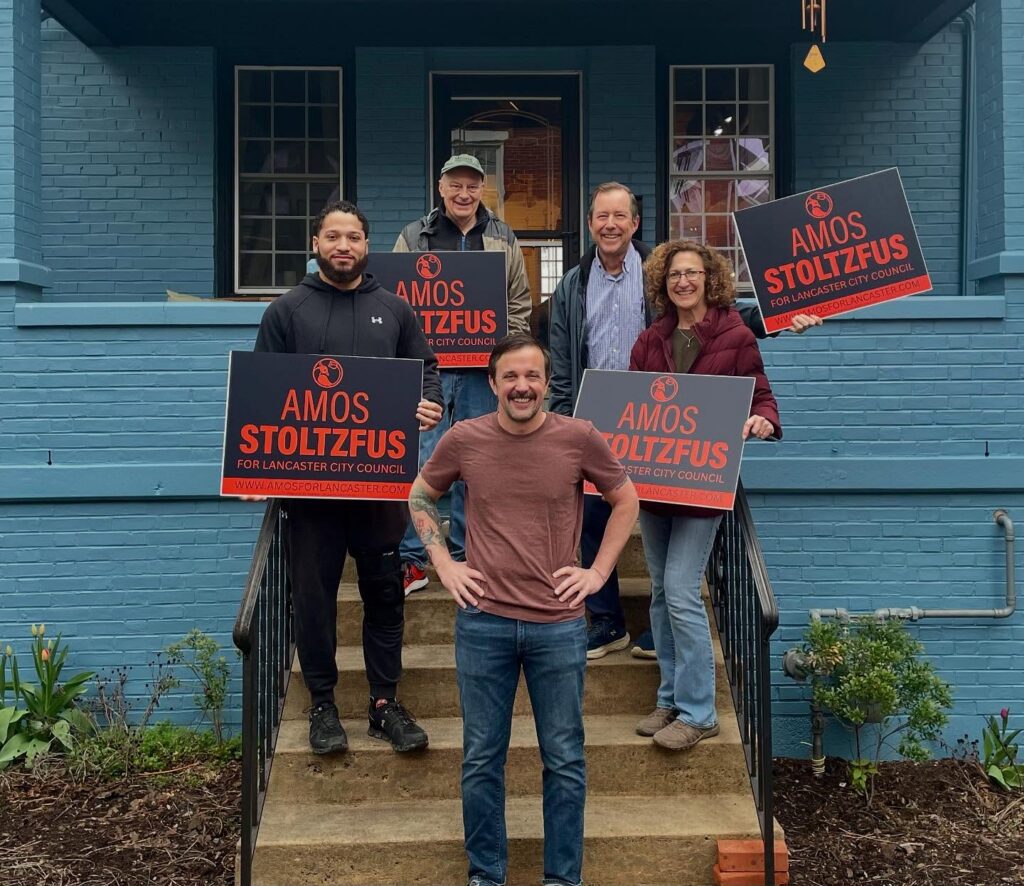
Lancaster, Pennsylvania’s Amos Stoltzfus brought a dual perspective: grassroots experience and institutional knowledge. His handson work with housing inequities and homelessness distinguished him from other candidates. He remarked, “every other candidate said housing and homelessness were top priorities, but I was the only one who could talk about the work I do every day.”
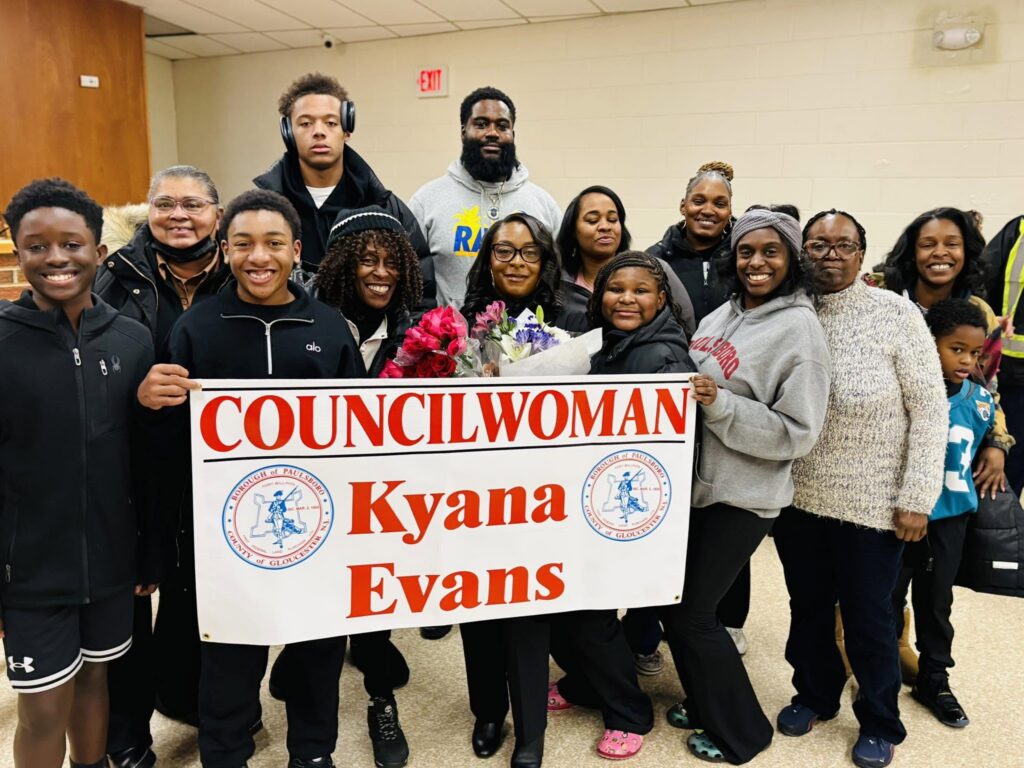
And in Paulsboro, New Jersey, Kyana Evans entered public office through a neighborhood planning process. When a vacancy opened on city council, members appointed her because they already saw her as a trusted partner. One business owner told her, “If it wasn’t for you and the Paulsboro Pride effort (neighborhood planning process), my business wouldn’t be here… we need someone genuine who doesn’t just talk the talk, but actually walks the walk.”
Across all four stories, the pattern is unmistakable: practitioners become political leaders because they already are doing the work.
Authenticity and Trust Are Political Capital
Traditional campaigns rely on party structures, endorsements, and fundraising networks. These practitioners relied on something else entirely: authenticity, consistency, and deep relational trust. As Evans recalled, when asked how she drew such a large turnout to the first community meeting, she simply said, “I asked them. I did personal asks.”
Campaigns rooted in belonging, storytelling, and mobilizing non-traditional voters were common across all four experiences. Their communities supported them not because they were polished political actors, but because they were trusted problem solvers.
Campaigns Reveal Collective Power
Each practitioner described a moment during their campaign when they realized just how many people were willing to rally behind them.
Residents who had never been involved in politics began canvassing, attending public meetings, and encouraging friends and family to vote. Campaigns became catalysts for participation, drawing in people who had long felt disconnected from local government.
Stoltzfus, running without party endorsement, collected more petition signatures than most other candidates, serving as a clear sign of grassroots momentum. Pousley watched strangers knock on doors for him and reflected, “I was amazed how people — strangers — people I was meeting for the first time — rallied around me.”
Evans saw firsttime voters show up because they believed in her authenticity and advocacy: “I didn’t realize just me showing up as who I am would have that much impact.”
These campaigns did more than elevate individual candidates. They shifted political identity toward inclusivity, shared responsibility, and coownership of local democracy.
Leadership is Regenerative
None of the practitioners viewed leadership as a personal milestone. Instead, they saw themselves as stewards whose responsibility is to open doors for others. Garrison hopes her candidacy shows neighbors that they belong at decision-making tables. Pousley now advises other local leaders considering a run, demystifying the process for “untraditional candidates.” Evans centers youth leadership, ensuring younger residents see themselves reflected in local government. Stoltzfus intentionally built an intergenerational, multilingual campaign team, modeling inclusive political leadership.
Their approach reflects a regenerative model of leadership that is designed to multiply power rather than consolidate it.
Mentorship Makes the Path Possible
Across every interview, one theme surfaced consistently: none of these practitioners stepped into political leadership alone. Each described a mentor, often a supervisor or organizational leader, whose encouragement played a decisive role. Mentors affirmed practitioners’ value to community and helped them manage the tension between non-partisan nonprofit roles and partisan political campaign work.
This pattern reveals something important: community development organizations are uniquely positioned to cultivate the next generation of civic leaders. But doing so requires clear policies, institutional support, and intentional mentorship structures.
Running for Office Also Reveals Structural Barriers
Despite deep community support, all four leaders encountered obstacles that exposed how difficult it is for “nontraditional” candidates to enter politics. They faced gatekeeping, party politics, ageism, institutional backlash, and the emotional labor of campaigning.
As Stoltzfus shared, “because I was not an endorsed candidate, I just didn’t have access to the same technology and [fundraising] support.”
Their reflections point to practical strategies that would have strengthened their campaigns: participating in another candidate’s race, formal training in political governance, clearer organizational policies, and structured guidance on fundraising and advertising.
Even the most trusted community leaders face resistance from political cultures designed to protect traditional party machines.
What’s Needed: Building a Pathway for CommunityRooted Civic Leadership
The experiences of these four practitioners point to a clear opportunity: formalizing a civic leadership pathway that recognizes community development practitioners as natural civic leaders.
Funders, nonprofits, and local governments each have a role to play:
- Formalize and invest in civic leadership training through programs like the Philadelphia’s Citizens Planning Institute, the University of Delaware’s Community Development Institute, and NeighborWorks America’s Community Leadership Institute. Create participatory planning, budgeting, and decision-making processes between local municipalities and resident leaders.
- Build support infrastructure for community-rooted candidates, including nonpartisan training hubs and organizational policies that protect both candidates and institutions.
- Invest in regenerative leadership development through youth pipelines, intergenerational cohorts, and micro-grant programs.
- Fund long-term neighborhood-based work, the very foundation from which these leaders emerge.
A New Civic Pathway Is Emerging
Together, these stories illuminate a powerful insight: community development practitioners are already doing the work of governance. They are embedded in neighborhoods, trusted by residents, fluent in local assets and challenges, and skilled at building coalitions. When they step into public office, government becomes more accessible, residents feel seen, and the boundary between organizing and governance begins to dissolve. Public office becomes an extension of community organizing, not a departure from it.
The future of local democracy may already be emerging — in neighborhood planning processes, community-based organizations, and resident-led initiatives across the region. The task now is to build the pathway, strengthen support, and ensure that more practitioners can step forward with confidence.
¹ González, R. (2026). Spectrum of Community Engagement to Ownership. Facilitating Power. https://www.facilitatingpower.com/spectrum_of_community_engagement_to_ownership